澄清 喬治·阿甘本(試譯:淺白)
有位意大利記者很努力的(其實也只是按他那行業內的成規罷)想要曲解、淆訛,我那對於是次「疫情」正在使這國家陷入倫理昏亂狀態的觀點——即哪怕是對着死者遺體,人也已不再抱有任何尊重或敬畏之情了。一如此君名字實不值得提起一樣,他那些盡可預料的論述伎倆,原也是不值得人特意反駁或矯正的(若真對此有興趣者,大可參看我在Quodlibet網站上發表的另一篇文章:〈感染〉)。是故,我寧願在此寫些進一步的反思——而這點東西,儘管本身也是寫得夠清楚的,但相信稍後還是不會逃過被曲解的命運。
恐懼,乃一很壞的諮詢對象,但它能令我們看見許多我們原先假裝沒有看到的東西(或曰事相)。那波直接癱瘓了整個國家的恐懼浪潮,其所首先揭示的,就是今天我們的社會早就已不再相信任何事情,除卻「裸命」(naked life)——此一作為根本存在現實之狀態。很明顯,意大利人已準備好犧牲幾乎所有東西——正常的生活條件、社交關係、工作,甚至是友誼、宗教,或政治信念——來避免承受病倒的風險。「裸命」的狀態,和那對於失去其之恐懼,並沒有讓這國家的男女就此變得更為團結、凝聚,反倒是蒙蔽和疏隔了他們。人類作為「他者」,一如孟佐尼(Alessandro Manzoni)在《約婚夫婦》裏所描述的瘟疫裏的人一樣,如今皆得一律被視為潛在的播疫者,合該不惜一切代價迴避——或至少,也該維持起碼一米以上的距離。死者——(彼乃)我們的死者——沒有接受葬禮的權利;我們甚至連所愛之人的屍體——它們在死前究竟發生過甚麼,也無法搞清楚。我們的同胞已在無聲沒息中被抹消存在,而奇怪的卻是教會在這點上,至今仍詭異地保持着緘默。人與人的關係,在這樣一個即將永久的慣習於此種「天曉得要持續多久」的生活模式的國度裏,將會變成何等模樣?而一個除了「求存」以外別無第種價值觀的,到底又會是個怎樣的社會?
至若另一件同樣令人不安的事,便是是次「疫情」已很清楚地證明:那一各國政府在多年前已開始着意讓我們日益慣習的「例外狀態」,今已大概成為一種真實的常態了。過去我們盡有過較這次「疫情」更為洶猛、嚴重的疫病,但都從來沒人想到要去宣佈、實施一個像今日這樣的「緊急狀態」——一個教我們甚至連動都不敢動的狀態。人已變得極其慣習於在這種「永久性危機」和「緊急狀態」下生活,乃至他們甚也不曾察覺彼「生活」已徹底的淪為一種純粹的生物狀態——在此狀態下,人失卻的不僅是任何政治或社會性的面向,且更是失去了其一切固有的同理心和人情的面向。一個長處在「緊急狀態」裏的社會,永不可能是個自由的社會。而我們實際上乃是在一為着所謂「安全原因」、而摒棄自由的社會裏過活,故結果便每是如後者般定譴了自身,要永遠在此種充滿恐懼和不安的狀態下茍存下去。
是以也難怪我們會用「戰爭」來譬況這場疫病——畢竟那些「緊急狀態」的規定,今已很簡而有效的迫使我們要生活在宵禁之下了。只是,當面對着一種可以隨機依存在任何人身上的、無形的敵人時,一場針對彼之戰爭,毋寧也將是一種最荒謬的戰爭。這,若衷心點說,乃是一場內戰;因敵人不在外面某處,它就在我們的裏面。
故真正最教人憂懼的,並不是當下的事況(或至少說,不「只」是當下正在發生的事況),而是在於它的後遺。即如戰爭總是要給接後的和平時期留下大量的惡毒技術——像尖刺鐵絲網,以至核電廠等都是明證——一樣,我們盡可想見在這次所謂「醫療緊急狀態」完結後,大會有許多後續的嘗試,就着那些先前各政府都已久欲追求、然卻終也未有機會推行的實驗:比如是讓大學和中小學保持關閉;讓課堂和講座都在線上進行;讓一切討論政治及文化問題的沙龍聚會從此息跡;讓我們今後只能以數碼訊息溝通;並讓一切可行的機器盡可能地取代人際間的任何接觸——亦即任何「感染」,存留在我們人與人之間。
12/1/2023初稿
Clarifications
By Giorgio Agamben
17/03/2020
An Italian journalist applied himself, according to the best practice of his profession, to distorting and falsifying my considerations on the ethical confusion into which the epidemic is throwing the country, where there is no longer even any respect for the dead. In the same way as it’s not worth mentioning his name, it’s not worth rectifying his predictable manipulations. Those who wish to do so may read my text Contagion on the Quodlibet publishers website.[1] Instead, I would rather publish here some further reflections, which, despite their clarity, will presumably be falsified too.
Fear is a bad counsellor, but it makes us see many things we pretended not to see. The first thing the wave of panic that’s paralysed the country has clearly shown is that our society no longer believes in anything but naked life.[2] It is evident that Italians are prepared to sacrifice practically everything – normal living conditions, social relations, work, even friendships and religious or political beliefs – to avoid the danger of falling ill. The naked life, and the fear of losing it, is not something that brings men and women together, but something that blinds and separates them. Other human beings, like those in the plague described by Manzoni, are now seen only as potential contaminators to be avoided at all costs or at least to keep at a distance of at least one metre. The dead – our dead – have no right to a funeral and it’s not clear what happens to the corpses of our loved ones. Our fellow humans have been erased and it’s odd that the Churches remain silent on this point. What will human relations become in a country that will be accustomed to living in this way for who knows how long? And what is a society with no other value other than survival?
The other thing, no less disturbing than the first, is that the epidemic is clearly showing that the state of exception, which governments began to accustom us to years ago, has become an authentically normal condition. There have been more serious epidemics in the past, but no one ever thought of declaring a state of emergency like today, one that forbids us even to move. Men have become so used to living in conditions of permanent crisis and emergency that they don’t seem to notice that their lives have been reduced to a purely biological condition, one that has lost not only any social and political dimension, but even any compassionate and emotional one. A society that lives in a permanent state of emergency cannot be a free one. We effectively live in a society that has sacrificed freedom to so-called “security reasons” and as a consequence has condemned itself to living in a permanent state of fear and insecurity.
It’s not surprising that we talk about the virus in terms of a war. The emergency provisions effectively force us to live under a curfew. But a war against an invisible enemy that can nestle in any other human being is the most absurd of wars. It is, to be truthful, a civil war. The enemy isn’t somewhere outside, it’s inside us.
What’s worrying in(is?) not so much the present, not only the present at least, but the aftermath. In the same way as the legacies of wars on peacetime have included a whole range of nefarious technologies, from barbed wire to nuclear plants, so it is very likely that there will be attempts to carry on pursuing, even after the medical emergency is over, many of the experiments governments hadn’t been able to implement: may universities and schools remain shut, with lessons and lectures taking place online, may an end be put once and for all to meetings and gathering to talk about political and cultural questions, may we only exchange digital messages and may wherever possible machines replace any contact – any contagion – between human beings.
English translation from (https://www.journal-psychoanalysis.eu/articles/coronavirus-and-philosophers/)
有位意大利記者很努力的(其實也只是按他那行業內的成規罷)想要曲解、淆訛,我那對於是次「疫情」正在使這國家陷入倫理昏亂狀態的觀點——即哪怕是對着死者遺體,人也已不再抱有任何尊重或敬畏之情了。一如此君名字實不值得提起一樣,他那些盡可預料的論述伎倆,原也是不值得人特意反駁或矯正的(若真對此有興趣者,大可參看我在Quodlibet網站上發表的另一篇文章:〈感染〉)。是故,我寧願在此寫些進一步的反思——而這點東西,儘管本身也是寫得夠清楚的,但相信稍後還是不會逃過被曲解的命運。
恐懼,乃一很壞的諮詢對象,但它能令我們看見許多我們原先假裝沒有看到的東西(或曰事相)。那波直接癱瘓了整個國家的恐懼浪潮,其所首先揭示的,就是今天我們的社會早就已不再相信任何事情,除卻「裸命」(naked life)——此一作為根本存在現實之狀態。很明顯,意大利人已準備好犧牲幾乎所有東西——正常的生活條件、社交關係、工作,甚至是友誼、宗教,或政治信念——來避免承受病倒的風險。「裸命」的狀態,和那對於失去其之恐懼,並沒有讓這國家的男女就此變得更為團結、凝聚,反倒是蒙蔽和疏隔了他們。人類作為「他者」,一如孟佐尼(Alessandro Manzoni)在《約婚夫婦》裏所描述的瘟疫裏的人一樣,如今皆得一律被視為潛在的播疫者,合該不惜一切代價迴避——或至少,也該維持起碼一米以上的距離。死者——(彼乃)我們的死者——沒有接受葬禮的權利;我們甚至連所愛之人的屍體——它們在死前究竟發生過甚麼,也無法搞清楚。我們的同胞已在無聲沒息中被抹消存在,而奇怪的卻是教會在這點上,至今仍詭異地保持着緘默。人與人的關係,在這樣一個即將永久的慣習於此種「天曉得要持續多久」的生活模式的國度裏,將會變成何等模樣?而一個除了「求存」以外別無第種價值觀的,到底又會是個怎樣的社會?
至若另一件同樣令人不安的事,便是是次「疫情」已很清楚地證明:那一各國政府在多年前已開始着意讓我們日益慣習的「例外狀態」,今已大概成為一種真實的常態了。過去我們盡有過較這次「疫情」更為洶猛、嚴重的疫病,但都從來沒人想到要去宣佈、實施一個像今日這樣的「緊急狀態」——一個教我們甚至連動都不敢動的狀態。人已變得極其慣習於在這種「永久性危機」和「緊急狀態」下生活,乃至他們甚也不曾察覺彼「生活」已徹底的淪為一種純粹的生物狀態——在此狀態下,人失卻的不僅是任何政治或社會性的面向,且更是失去了其一切固有的同理心和人情的面向。一個長處在「緊急狀態」裏的社會,永不可能是個自由的社會。而我們實際上乃是在一為着所謂「安全原因」、而摒棄自由的社會裏過活,故結果便每是如後者般定譴了自身,要永遠在此種充滿恐懼和不安的狀態下茍存下去。
是以也難怪我們會用「戰爭」來譬況這場疫病——畢竟那些「緊急狀態」的規定,今已很簡而有效的迫使我們要生活在宵禁之下了。只是,當面對着一種可以隨機依存在任何人身上的、無形的敵人時,一場針對彼之戰爭,毋寧也將是一種最荒謬的戰爭。這,若衷心點說,乃是一場內戰;因敵人不在外面某處,它就在我們的裏面。
故真正最教人憂懼的,並不是當下的事況(或至少說,不「只」是當下正在發生的事況),而是在於它的後遺。即如戰爭總是要給接後的和平時期留下大量的惡毒技術——像尖刺鐵絲網,以至核電廠等都是明證——一樣,我們盡可想見在這次所謂「醫療緊急狀態」完結後,大會有許多後續的嘗試,就着那些先前各政府都已久欲追求、然卻終也未有機會推行的實驗:比如是讓大學和中小學保持關閉;讓課堂和講座都在線上進行;讓一切討論政治及文化問題的沙龍聚會從此息跡;讓我們今後只能以數碼訊息溝通;並讓一切可行的機器盡可能地取代人際間的任何接觸——亦即任何「感染」,存留在我們人與人之間。
12/1/2023初稿
Clarifications
By Giorgio Agamben
17/03/2020
An Italian journalist applied himself, according to the best practice of his profession, to distorting and falsifying my considerations on the ethical confusion into which the epidemic is throwing the country, where there is no longer even any respect for the dead. In the same way as it’s not worth mentioning his name, it’s not worth rectifying his predictable manipulations. Those who wish to do so may read my text Contagion on the Quodlibet publishers website.[1] Instead, I would rather publish here some further reflections, which, despite their clarity, will presumably be falsified too.
Fear is a bad counsellor, but it makes us see many things we pretended not to see. The first thing the wave of panic that’s paralysed the country has clearly shown is that our society no longer believes in anything but naked life.[2] It is evident that Italians are prepared to sacrifice practically everything – normal living conditions, social relations, work, even friendships and religious or political beliefs – to avoid the danger of falling ill. The naked life, and the fear of losing it, is not something that brings men and women together, but something that blinds and separates them. Other human beings, like those in the plague described by Manzoni, are now seen only as potential contaminators to be avoided at all costs or at least to keep at a distance of at least one metre. The dead – our dead – have no right to a funeral and it’s not clear what happens to the corpses of our loved ones. Our fellow humans have been erased and it’s odd that the Churches remain silent on this point. What will human relations become in a country that will be accustomed to living in this way for who knows how long? And what is a society with no other value other than survival?
The other thing, no less disturbing than the first, is that the epidemic is clearly showing that the state of exception, which governments began to accustom us to years ago, has become an authentically normal condition. There have been more serious epidemics in the past, but no one ever thought of declaring a state of emergency like today, one that forbids us even to move. Men have become so used to living in conditions of permanent crisis and emergency that they don’t seem to notice that their lives have been reduced to a purely biological condition, one that has lost not only any social and political dimension, but even any compassionate and emotional one. A society that lives in a permanent state of emergency cannot be a free one. We effectively live in a society that has sacrificed freedom to so-called “security reasons” and as a consequence has condemned itself to living in a permanent state of fear and insecurity.
It’s not surprising that we talk about the virus in terms of a war. The emergency provisions effectively force us to live under a curfew. But a war against an invisible enemy that can nestle in any other human being is the most absurd of wars. It is, to be truthful, a civil war. The enemy isn’t somewhere outside, it’s inside us.
What’s worrying in(is?) not so much the present, not only the present at least, but the aftermath. In the same way as the legacies of wars on peacetime have included a whole range of nefarious technologies, from barbed wire to nuclear plants, so it is very likely that there will be attempts to carry on pursuing, even after the medical emergency is over, many of the experiments governments hadn’t been able to implement: may universities and schools remain shut, with lessons and lectures taking place online, may an end be put once and for all to meetings and gathering to talk about political and cultural questions, may we only exchange digital messages and may wherever possible machines replace any contact – any contagion – between human beings.
English translation from (https://www.journal-psychoanalysis.eu/articles/coronavirus-and-philosophers/)
[1] 英譯見: (https://enoughisenough14.org/2020/03/20/giorgio-agamben-contagion/)。它是對意大利記者Paolo Flores d'Arcais文章〈哲學與病毒:阿甘本的譫語〉(Philosophy and Virus: The Ravings of Giorgio Agamben,發表於MicroMega,16 March 2020)的回應。d'Arcais原文見 Internet Archive:(http://temi.repubblica.it/micromega-online/filosofia-e-virus-le-farneticazioni-di-giorgio-agamben/)

Jul 19, 2020, from (https://twitter.com/mhdksafa/status/1284549287863627776?s=20)
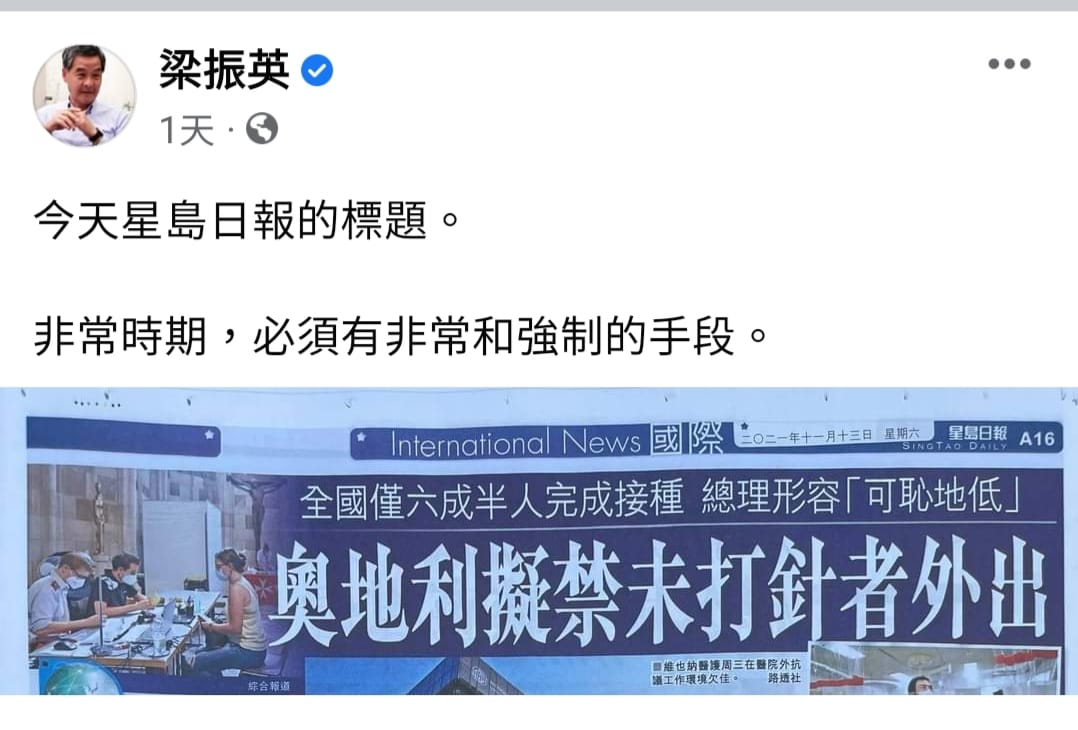
2021年11月14日截圖

