2023年1月12日 星期四
轉載:沙士是後現代病 李蒙
2022年12月27日 星期二
對答
乙:不,本來挨一刀並不會死。只是你以前恐嚇過他,說挨一刀可能會死,結果他挨刀時恐懼過頭,引致死亡。故說到底,責任還該算在你的頭上。
試譯:〈會有這麼一天〉 約翰·蒙塔格【There are Days-John Montague】
會有這麼一天:當
一個人能夠摘下
他自己頭顱,好如
一凹陷或破殘
的盔冑,直接脫除自
頸背和鎖骨上
(那些格格作響的枝榦!)
再將它牢牢按置在
那行進中的、溪流的底床裏;
清晰、潔淨,且涼冷的水波
湧着泡沫的一直通貫過
那些腐濁、窳敗的間隔
──原乃頭腦,或是黯淡的耳膜
朦朧的眼眶、蒙上水意的舌頭……
繼後再放回來,擺在
肩膊的原位上:
嵌好、拍實(這個自然)
那經洗濯的膚色和嘴巴
那如雲石般的兩眸
已然漱洗過,且已預備好
──為着愛;或是預言?
27/12/2022初稿
There are Days
By John Montague (from his 1999 collection Smashing the Piano)
There are days when
one should be able
to pluck off one's head
like a dented or worn
helmet, straight from
the nape and collarbone
(those crackling branches!)
and place it firmly down
in the bed of a flowing stream.
Clear, clean, chill currents
coursing and spuming through
the sour and stale compartments
of the brain, dimmed eardrums,
bleared eyesockets, filmed tongue.
And then set it back again
on the base of the shoulders:
well tamped down, of course,
the laved skin and mouth,
the marble of the eyes
rinsed and ready
for love; for prophecy?
2022年12月26日 星期一
試譯:〈「大疫」的發明〉喬治·阿甘本【The Invention of an Epidemic-Giorgio Agamben】 淺白
當面對那些熱昏、非理性、全無基礎,卻又聲言是為了應對那「據稱」的冠狀病毒疫情,而急就施行的「緊急措施」時,我們或應先從國家研究委員會(CNR)發表的聲明開始着眼。它不僅明確釐清了「意大利並沒有SARS-CoV2疫情」,且更指出:「據當前基於數以萬計病例得來的數據可見,約八九成的患者會出現輕至中度的徵狀(情況近似流感),而10-15%或會引發肺炎;然則大多數的個案均不致有甚麼大礙。估計(最終)需要接受強化治療的患者只佔全體的約4%。」
若這是真實情況的話,那為何傳媒和當局還要這樣不遺餘力的散播恐慌,以致在現實裏真的被其觸發出一場切實的「例外狀態」(state of exception):即在一整個地區之內,所有人的行動自由皆得被嚴重限制,而一切日常生活,亦不能不強遭懸擱、乃至停頓?
有兩個因素,或有助解釋這種不合比例的反應。首先,是它再次展示了政府愛用「例外狀態」來作為其常態行政範式的傾向。那即時獲政府批准的、「基於衛生和公眾安全原因」的立法法令,實際上是會對那些「至少存在一個檢測陽性、而傳播源頭不明的個案」的市政府地區,或那些「至少有一個不是從已知疫區返回的個案」的市政府地區,造成了一種切實的「軍事時期化」(militarization)。這種(對象)模糊而不確切的定義,將能容許上述的「例外狀態」迅速擴展至所有地區,事關類似的病例幾乎必然會在別處出現。現在且讓我們審視一下,該法令到底含有哪些對於我們原有自由的嚴重限制:
a) 禁止任何人離開該「涉及疫病」的城市或地區;
b) 禁止任何外人進入該「受疫病影響」的城市或地區;
c) 暫停一切在公眾或私人地方舉行的、任何性質的活動或計畫,以及任何形式的聚會——包括文化、康樂、體育和宗教性質的活動,包括一切原乃對公眾開放的室內空間;
d) 關閉各級幼兒園、托兒所和學校,並暫停一切除遙距學習以外的課堂出席、高等教育活動和專業課程;
e) 依照2004年1月22日(訂立)的第42號法令,關閉所有在〈文化及環境遺產法典〉第101條裏列明的博物館、文化機構和場所。一切容許免費進入這些地方的規定也同被懸擱;
f) 停止一切在意大利境內或境外的教育旅行;
g) 暫停所有公開考試程序,以及公營機構、人員的活動,在(盡可能)不損害基本公共服務的前提下;
h) 對與確診感染病例有過密切接觸的人士執行隔離政策,連帶主動、持續的監測。
至於第二個同等令人不安的因素,則是那在近年來已很明白散播在每個人良知上的「恐懼狀態」(state of fear)——而諷刺地,這也真的恰好形成了一種對於「集體恐慌」的實際需求,亦即是次「疫情」,彼作為一理想藉口,所可以又一次供予的。由是,在一種乖謬墮落的惡性循環中,本乃政府對自由強加的限制,將能以「人們對安全的渴欲」之名義被接受;而這種渴欲,卻也正是由那如今正在介入以滿足它的同一政府,所一手塑造的。
26/12/2022稿
The Invention of an Epidemic
By Giorgio Agamben
26/02/2020
Faced with the frenetic, irrational and entirely unfounded emergency measures adopted against an alleged epidemic of coronavirus, we should begin from the declaration issued by the National Research Council (CNR), which states not only that “there is no SARS-CoV2 epidemic in Italy”, but also that “the infection, according to the epidemiologic data available as of today and based on tens of thousands of cases, causes mild/moderate symptoms (a sort of influenza) in 80-90% of cases. In 10-15% of cases a pneumonia may develop, but one with a benign outcome in the large majority of cases. It has been estimated that only 4% of patients require intensive therapy”.
If this is the real situation, why do the media and the authorities do their utmost to spread a state of panic, thus provoking an authentic state of exception with serious limitations on movement and a suspension of daily life in entire regions?
Two factors can help explain such a disproportionate response. First and foremost, what is once again manifest is the tendency to use a state of exception as a normal paradigm for government. The legislative decree immediately approved by the government “for hygiene and public safety reasons” actually produces an authentic militarization “of the municipalities and areas with the presence of at least one person who tests positive and for whom the source of transmission is unknown, or in which there is at least one case that is not ascribable to a person who recently returned from an area already affected by the virus”. Such a vague and undetermined definition will make it possible to rapidly extend the state of exception to all regions, as it’s almost impossible that other such cases will not appear elsewhere. Let’s consider the serious limitations of freedom the decree contains:
a) a prohibition against any individuals leaving the affected municipality or area;
b) a prohibition against anyone from outside accessing the affected municipality or area;
c) the suspension of events or initiatives of any nature and of any form of gatherings in public or private places, including those of a cultural, recreational, sporting and religious nature, including enclosed spaces if they are open to the public;
d) the closure of kindergartens, childcare services and schools of all levels, as well as the attendance of school, higher education activities and professional courses, except for distance learning;
e) the closure to the public of museums and other cultural institutions and spaces as listed in article 101 of the code of cultural and landscape heritage, pursuant to Legislative Decree 22 January 2004, no. 42. All regulations on free access to those institutions and spaces are also suspended;
f) suspension of all educational trips both in Italy and abroad;
g) suspension of all public examination procedures and all activities of public offices, without prejudice to the provision of essential and public utility services;
h) the enforcement of quarantine measures and active surveillance of individuals who have had close contacts with confirmed cases of infection.
The disproportionate reaction to what according to the CNR is something not too different from the normal flus that affect us every year is quite blatant. It is almost as if with terrorism exhausted as a cause for exceptional measures, the invention of an epidemic offered the ideal pretext for scaling them up beyond any limitation.
The other no less disturbing factor is the state of fear that in recent years has evidently spread among individual consciences and that translates into an authentic need for situations of collective panic for which the epidemic provides once again the ideal pretext. Therefore, in a perverse vicious circle, the limitations of freedom imposed by governments are accepted in the name of a desire for safety that was created by the same governments that are now intervening to satisfy it.
English translation from (https://www.journal-psychoanalysis.eu/articles/coronavirus-and-philosophers/)
2022年12月3日 星期六
「白紙」
新聞來源:「港僑互助」面書(https://www.facebook.com/hongkongbridge/posts/pfbid0WkUFxpz51zpixuTqUhhGorWws89okwVe6MU52R3Jsq139kVTVSEocrffhUWFkoMjl)
2022年11月3日 星期四
甚麼是啟蒙?
讀康德的經典短文〈甚麼是啟蒙?〉(What Is Enlightenment?)(1784),當看到結尾處時,還是不爭氣的笑了出來:
「once the germ(胚芽) on which nature has lavished most care - man's inclination and vocation to think freely - has developed within this hard shell, it gradually reacts upon the mentality of the people, who thus gradually become increasingly able to act freely. Eventually, it even influences the principles of governments, which find that they can themselves profit by treating man, who is more than a machine, in a manner appropriate to his dignity.」(Kant’s Political Writings,頁59-60,H. B. Nisbet譯)
一種「(恰好)能配稱於其尊嚴的對待」(a manner appropriate to his dignity)。世道之脩然,人情的刻深,僅此片語,亦大可盡見無遺了。是故綜觀全文,真正最能在二百年後仍反映出人性事實的,恐怕也只有以下這段話:
「To test whether any particular measure can be agreed upon as a law for a people, we need only ask whether a people could well impose such a law upon itself.」(同上,頁57)
22/2/2022稿
4/11/2022改
2022年10月6日 星期四
詩與名物
早前約略翻過楊牧的《奇萊後書》,別的暫且不說,倒是很意外發現了原來他談詩也有毒舌的一面。白朗寧(Robert Browning)的名作〈海外思鄉〉(Home Thoughts from Abroad),在英詩傳統裏,也大抵是如〈靜夜思〉般經典的存在了;可當落到楊牧的筆下時,它竟是如此被批得一無是處:
「詩可以用『啊』破題起頭嗎?我現在懷疑,縱使熟讀『噫吁嚱危乎高哉』以後,還是不能接受『啊若是在英格蘭』,感嘆詞繼之以虛設語氣的寫法,尤其緊接著竟是直截指涉的『現在,四月已經到了』。四月的訊息本來可以提示春之踪跡,亦差強人意,但當詩轉入第二章時,竟有『四月過去,五月跟踪而至』的句法,何嘗是詩的表達方式?第一章其餘字裡行間都說鳥在樹上唱歌,毫不出奇,至多交代些妥當的意象語字罷了。但說它妥當也不盡然,第五行既用『枝頭』,奈何第七行再來一次。難道白朗寧也想和他『慧心的畫眉』較量修辭重複的技巧?隔行即聽任一重要的意象語字毫不掩飾地突兀再現,顯然犯重,殊不可取;反觀末行承襲首二行之感嘆與虛設語氣,多少帶有歌詠复沓的策略性效果,猶有可說——但這也可能只是我強自振作以觀詩始產生的意念,一種與人為善的解說罷,仍然是可疑的。如此結尾,其實正可乘機收筆就好,但白朗寧竟另起一章以『四月過去,五月跟踪而至』之曆算語法,沉著道來,像電視上的氣象播報員一樣,於是就通篇細數這季節裡英格蘭的花木種類,和最活躍的飛禽等等,其密集詳盡對詩的譯者說來,真屬無妄之災,蓋鳥類的學名或俗名在我們學習外國語過程裡,本來就是可有可無的。至於一首詩先有八行,繼之以十二行賡而續之,也是毫無章法的事。作者似乎是一覺醒來發覺四月到了,就想像倘非身處海外,則在英格蘭家鄉便如何如何;八行寫完輒止,稿置篋中不再理會。有一天他忽然又發覺是五月了,不如將詩續完,春天就有一個完整的交代,所以毫無靈感地寫下『四月過去,五月跟踪而至』這樣的句子,而且實之以花木與鳥類等專有名詞,在雙行體隨手調整的腳韻支持之下,終於發現了故國英格蘭金鳳花亭午盛開之美,論光彩遠勝此地俗豔的瓜開花。什麼瓜開花竟使白朗寧如此不屑,借之為他一首獺祭詩作的結尾,以提升他思念中的金鳳花的地位?我不得不覺得很奇怪。反而字典上所謂金鳳花,原文實作『牛油杯』,其實也夠俗豔的。然則,如此錯亂的維多利亞文化論述,莫非就是它自身的典型?但對我說來,也可以說是不知所云了。」(頁64-65)
話說得很盡,及「無妄之災」云云,更或讓人想見其在翻字典時的那種「苦大仇深」狀貌——博識如楊牧者竟也會為幾種花鳥而頭痕——這可比別的甚麼都更具鼓勵意味了罷?然則說回詩本身,我倒不認為它有楊牧評的那麼差。其實《論語》裏不也曾說過,讀詩好處,是在乎能「多識於鳥獸草木之名」嗎?「牛油杯」是否必較金鳳花為俗豔這先暫不論;但倘若作者當時心象所裎、記憶所繫的,委實是這一種花,那又肯宜因其名字不夠「清雅」而捨之弗用?
7/10/2022
〈Home Thoughts from Abroad〉
Oh, to be in England
Now that April's there,
And whoever wakes in England
Sees, some morning, unaware,
That the lowest boughs and the brushwood sheaf
Round the elm-tree bole are in tiny leaf,
While the chaffinch sings on the orchard bough
In England — now!
And after April, when May follows,
And the whitethroat builds, and all the swallows!
Hark, where my blossom'd pear-tree in the hedge
Leans to the field and scatters on the clover
Blossoms and dewdrops — at the bent spray's edge —
That's the wise thrush; he sings each song twice over,
Lest you should think he never could recapture
The first fine careless rapture!
And though the fields look rough with hoary dew,
All will be gay when noontide wakes anew
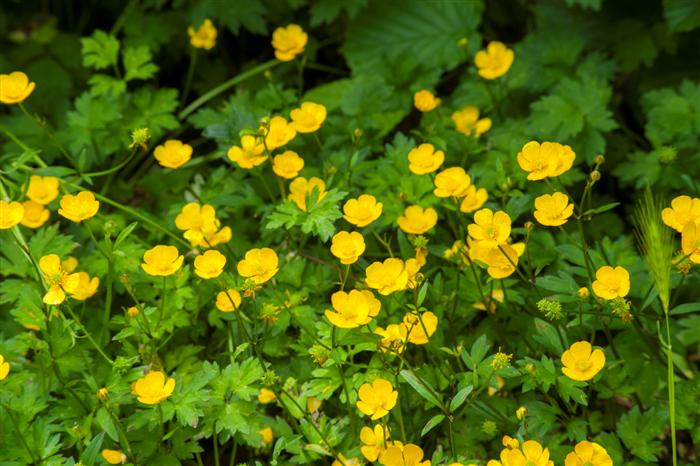
The buttercups, the little children's dower
— Far brighter than this gaudy melon-flower!
1845
〈海外思鄉〉(楊牧譯)
一、
啊若是在英格蘭
現在,四月已經到了,
而無論誰早晨醒來
在英格蘭,不知不覺,都看到
低低的枝頭和叢生的灌木
正迸生嫩小的葉芽,榆樹邊
橘紅(弱鳥)雀飛上果園枝頭歌唱
在英格蘭——現在。
二、
然則四月過去,五月跟踪而至
白頸雀築巢,成群的燕子!
聽,就在我圍籬旁那開花的李樹
低低俯向地面並且將苜蓿灑上
花瓣和露珠——在那曲枝盡頭——
聽慧心的畫眉:他唱歌一定重複,
深怕你以為他不會將剛才
無心發出的至樂好音再來一次。
而縱使四野因為白露顯得多麼荒蕪,
當金鳳仙午間陸續醒轉,一切都將
欣然,天賦孩子們獨享的璀璨好花
遠勝此地蓓蕾炫耀的瓜。
2022年9月26日 星期一
試譯:〈上教堂〉菲利普·拉金【Church Going-Philip Larkin】 淺白
一旦當我肯定四下已無動靜
我踏入去,任身後的門砰地關上。
又一間教堂:地氈、座椅、石頭
和小書冊;蓬鬆半散的花朵,剛因禮拜
而新割,現已發黃;一些銅器和物品
高放在那神聖的末處;端淨的小風琴
和着一種緊張、霉舊、難以忽視的寂靜
醞釀了天曉得多久。沒帽在身,我除下了
我的單車褲夾,以示一種窘然突兀的敬意
走上前,將手輕輕繞帶過洗禮盆
從我站立之處,堂頂看來幾乎新似的一樣──
是洗刷還是重修過了?有些人會知道:那不是我。
步上講台,我細讀了些
唬人且大字印刷的詩節,並將那句
「於此結束」,唸得遠比預期響亮。
餘音短暫竊笑。回到門邊
我在冊上簽了名,捐了一枚愛爾蘭六便士銀幣
並想到這地方實在不值得人停駐。
但我終還是停了下來:事實上我每常如此
且最後總是落得像此際般茫然無向──
不知該着眼甚麼;亦同樣不曉得,
當教堂完全因過時而廢棄,
我們還可將它遷作何用。若我們選擇保留
幾所主教座堂長年展示,並把它們的
羊皮紙、捐款盤,和聖餅盒統統鎖進櫃裏;
再將剩下的,俱免租讓予羊群和雨水寄住。
我們應避開它們,像避開不祥的地方嗎?
又或在入夜後,會否有動機不明的女人前來
好讓其孩子觸撫一塊特殊的遺石;摘掇
據云能治癌的藥草;或是在某些
風聞的夜晚,特意探看一個死人的行走?
總有某些如此或如彼的力量會傳續下去
在遊戲裏、於謎語裏,且似乎愈見隨機;
但迷信,一如信念,必須死去,
而當這種「不信」的精神亦復消逝後,我們到底
還剩下甚麼?雜草,草間的路,荊榛,扶壁,天空
一個逐星期難辨的形象,
一個愈發模糊的目的。我着實思疑,誰
會是最後,那真正意義上的最後一個,去探尋
這地方,為了其最初建造的原意;是某個
敲敲記記,且諳曉「聖壇屏」究為何物的維修人員?
一些有廢墟癖的、凡見古物即為之心癢的傢伙?
或是某類過聖誕過上癮的怪人,旨意着能一嗅
那些教袍禮帶、風琴管子和沒藥的氣味?
抑或他原是我的代表,
鬱悶,無知,曉得這幽靈般的淤泥
已然發散,但仍下意識地趨近,這片隔着
近郊灌叢的十字土地;為了它是曾
如此長久、貞定,且滿而不溢的裝載着
那些自是以來只能在分隔後,才會尋見的
事質內容──婚姻、分娩、死亡,和種種
類近的思考──就是為了這些,其空殻便如此建成了?
畢竟(儘管我全沒概念,這座古異、晦溽的穀倉
究竟有何價值)在沉默的佇立中,它令我不無舒暢──
一座嚴肅的屋子,蓋在嚴肅的大地上
在其融合的空氣中,一切我們的欲動
俱相遇,受覺識,並粧裹成命運;
而這些是永不會過時的,
事關總永遠會有人在其自身裏
驚察出一種「想變得更嚴肅」的渴望,
並隨之帶引來到了這處地方:在此,
他曾聽過,是很適合在內增長智慧的,
設若說四下已是有那麼多死者躺在周圍的話。
25/7/2022初稿
By Philip Larkin (from his 1955 collection The Less Deceived)
Once I am sure there's nothing going on
I step inside, letting the door thud shut.
Another church: matting, seats, and stone,
And little books; sprawlings of flowers, cut
For Sunday, brownish now; some brass and stuff
Up at the holy end; the small neat organ;
And a tense, musty, unignorable silence,
Brewed God knows how long. Hatless, I take off
My cycle-clips in awkward reverence.
Move forward, run my hand around the font.
From where I stand, the roof looks almost new-
Cleaned, or restored? Someone would know: I don't.
Mounting the lectern, I peruse a few
Hectoring large-scale verses, and pronounce
'Here endeth' much more loudly than I'd meant.
The echoes snigger briefly. Back at the door
I sign the book, donate an Irish sixpence,
Reflect the place was not worth stopping for.
Yet stop I did: in fact I often do,
And always end much at a loss like this,
Wondering what to look for; wondering, too,
When churches fall completely out of use
What we shall turn them into, if we shall keep
A few cathedrals chronically on show,
Their parchment, plate and pyx in locked cases,
And let the rest rent-free to rain and sheep.
Shall we avoid them as unlucky places?
Or, after dark, will dubious women come
To make their children touch a particular stone;
Pick simples for a cancer; or on some
Advised night see walking a dead one?
Power of some sort or other will go on
In games, in riddles, seemingly at random;
But superstition, like belief, must die,
And what remains when disbelief has gone?
Grass, weedy pavement, brambles, buttress, sky,
A shape less recognisable each week,
A purpose more obscure. I wonder who
Will be the last, the very last, to seek
This place for what it was; one of the crew
That tap and jot and know what rood-lofts were?
Some ruin-bibber, randy for antique,
Or Christmas-addict, counting on a whiff
Of gown-and-bands and organ-pipes and myrrh?
Or will he be my representative,
Bored, uninformed, knowing the ghostly silt
Dispersed, yet tending to this cross of ground
Through suburb scrub because it held unspilt
So long and equably what since is found
Only in separation - marriage, and birth,
And death, and thoughts of these - for which was built
This special shell? For, though I've no idea
What this accoutred frowsty barn is worth,
It pleases me to stand in silence here;
A serious house on serious earth it is,
In whose blent air all our compulsions meet,
And that much never can be obsolete,
Since someone will forever be surprising
A hunger in himself to be more serious,
And gravitating with it to this ground,
Which, he once heard, was proper to grow wise in,
If only that so many dead lie round.
1955
2022年9月22日 星期四
試譯:〈開裂〉蘇珊·薇格【Cracking-Suzanne Vega】 淺白
那事情是一次性的;
只是它每常
發生
陪我走
那我們便來檢驗,目下
我們真實具有的能耐……
啊……
我的步聲滴答作響
一如水滴,正從樹上跌落
腳下的路徑細如毫髮
且每步也走得小心翼翼
啊……
我的心已碎了
它給磨損了,在膝蓋位置
聽覺全給裹住
視野一無所見
很快,它就會觸到深處的冰寒……
啊……
而某些東西正在開裂
我不知道是哪裏
冰結在行人路
易碎的樹枝
虛懸在空氣中
其時太陽已很眩目了
昏花的金黃,四下拂掠的淡綠
穿貫過下午的公園裏
一路思疑着:我到底剛才
是去了甚麼鬼地方呵……
22/9/2022初稿
Cracking
By Suzanne Vega
It's a one time thing
It just happens
A lot
Walk with me
And we will see
What we have got
Ah...
My footsteps are ticking
Like water dripping from a tree
Walking a hairline
And stepping very carefully
Ah...
My heart is broken
It is worn out at the knees
Hearing muffled
Seeing blind
Soon it will hit the Deep Freeze
Ah...
And something is cracking
I don't know where
Ice on the sidewalk
Brittle branches
In the air
The sun
Is blinding
Dizzy golden, dancing green
Through the park in the afternoon
Wondering where the hell
I have been
Ah...
試譯:〈春與秋〉傑瑞德·曼利·霍普金斯【Spring and Fall-Gerard Manley Hopkins】 淺白
給一位兒童
瑪格麗,你是否正悲痛於
眼前這片金黃色林子的葉落?
樹葉像人世的事物,在新有的感受中
你自覺關懷;你確定你真是能夠?
啊!當心靈的年歲漸長
它將對此等情景日轉冷漠
也毋用多久,甚至連歎息也省卻
那怕多個死葉零落的世界已然為之委伏;
然而你仍將淌淚,並明白為何。
現在那名字,孩子,是甚麼也並不重要了:
悲傷的早春們其實都一樣。
至若嘴巴,或是思想,也不見得有曾表示過
那些內心早已聽到、靈魂早已猜到的事:
那正是人類為之而生的亡萎,
而你所悲悼的,正是瑪格麗。
20/9/2022初稿
22/9/2022二稿
Spring and Fall
By Gerard Manley Hopkins
to a young child
Márgarét, áre you gríeving
Over Goldengrove unleaving?
Leáves like the things of man, you
With your fresh thoughts care for, can you?
Ah! ás the heart grows older
It will come to such sights colder
By and by, nor spare a sigh
Though worlds of wanwood leafmeal lie;
And yet you wíll weep and know why.
Now no matter, child, the name:
Sórrow's spríngs áre the same.
Nor mouth had, no nor mind, expressed
What heart heard of, ghost guessed:
It ís the blight man was born for,
It is Margaret you mourn for.
2022年9月3日 星期六
函可七絕、七律摘抄
野老自言年八十,年年食此不知名。」-〈入山雜詠二十首·其二十〉
生還菽水(豆和水,形容生活清苦。語出《禮記·檀弓下》:子路曰:「傷哉貧也!生無以為養,死無以為禮也。」孔子曰:「啜菽飲水,盡其歡,斯之謂孝;斂首足形(蓋住遺體的頭腳),還葬而無槨,稱(相稱)其財,斯之謂禮。」)無他願,雙白(待考。雙或為相從、相伴義)看兒到百齡。」-〈贈友人十二首·其二〉
衣上密縫還是舊,淚殘風裂已無多。」-〈贈友人十二首·其七〉
輸(輸給;及不上)君抱病仍扶杖,歷盡溪流第幾灣。」-〈聞赤公扶病登山有懷二絶·其一〉
雪深最好無蹊徑,竟入長松大壑間。」-〈題天公寄畫山水〉
清風寺裏僧來到,說道明朝是歲除。」-〈偶成〉
相將(相偕,相共)半揖辭冰雪,莫憶寒雲壑底眠(于鵠〈過凌霄洞天謁張先生祠〉:「乃知軒冕徒(顯貴者),寧比(好比)雲壑眠。」)。」-〈元日山中寄同難諸老〉
莫道有鄰寒始見,長松頑石盡吾徒。」-〈恥若聞十慧龍諸子入山〉
窮到生臺(寺院施捨飯食供禽蟲啄食的台案)無半粒,饑烏帶雪向人啼。」-〈金塔山居雜詠二十首·其六〉
山鼠分餘堪共飽,人間禮數本來無。」-〈金塔山居雜詠二十首·其十七〉
明月也知山上好,莫教清影落人間。」-〈山月〉
眼前病骨今如此,知爾難垂一點涎。」-〈二十七日虎至廚門〉
莫怨他鄕歸不得,人間處處達黃泉。」-〈慰病客〉
細思最得便宜處,長佔崖西一樹松。」-〈謝別僧招〉
須知十萬西方路,只在尋常杖策間。」-〈贈德悟師〉
須信祖師真的意,元來只在轆轤邊。」-〈贈寂庵師〉
愛汝清貧偏好學,寒窓風雪對孤燈。」-〈贈李居士〉
風沙此際還留勝,豈必羅浮是故山(按:不遜盛唐氣象)。」-〈望醫巫閭(今遼寧省西部主要山脈)〉
山中有雪猶堪嚙,何用春風度玉關。」-〈立春日〉
尋常百姓今猶少,飛入清寒古佛家。」-〈燕子〉
衲衣一片寒侵髓,不久當為若輩人。」-〈招諸公入社詩十首·其六·招冰鬼〉
野哭又添沙上鬼,暮歸因問洞中天。
騎驢人去空留句,坐客牀餘未嚙氈(咬吞氈毛充饑,喻堅貞不屈。《漢書·蘇武傳》:乃幽武置大窖中,絕不飲食。天雨雪,武臥齧雪與旃毛并咽之,數日不死,匈奴以為神,乃徙武北海上無人處,使牧羝,羝乳(公羊產乳。喻無歸也)乃得歸)。
三輔遙傳榆柳盡,何須待禁久無烟。」-〈寒食偕諸子訪苗李二錬師歸見木齋留詩同賦〉
大道翻嫌諸聖淺,奇情(非常的情操)難與老僧論。
平生最苦肝腸熱,今日方知裘馬尊。
不是唁君惟自唁,悠悠終恐骨孤存。」-〈唁〉
開口後來皆作聖,蓋棺前此莫論人。
鬼神未到須防獨(言鰥寡孤獨也。又《增廣賢文·下集》:「群居防口,獨坐防心。」),涓滴雖微便溺身。
縱死定令天亦見,肯(猶豈)教風雨暗青燐。」-〈偶成〉
公到苦吟予獨賞,余當狂叫汝深悲。
尋常只道窮邊事,隔別應生靜夜思。
始覺寒冰良匪偶(偶然),千秋萬古有人知。」-〈寄大翁〉
北堂自繞黃沙夢,東閣(東廂的居室。又古代宰相招賢之處。《漢書·公孫弘傳》:弘自見(自露才幹)為舉首(科舉第一名),起徒步,數年至宰相封侯,於是起客館,開東閣以延賢人,與參謀議)仍開白板扉。
劍鋏不彈聲欲絕,髮膚旣盡骨思歸。
遊魂無禁(人死方能無禁也)知先到,寒極還應索舞衣(待考)。」-〈哭晉中張子〉
莫愁壑淺雲難臥,無那(無限)溪流水有聲。
飛矢漫追孤鶴影,遺弦不作老龍(老龍吟琴,或老子。《史記·老子韓非列傳》:至於龍吾不能知,其乘風雲而上天。吾今日見老子,其猶龍邪!)鳴……」-〈雪公寄書入山偶成二律·其一〉
寒鐘不到疎林外,幽月空勞碧澗潯(水邊)。
獄沉頑鐵(堅硬的鐵)還餘氣,爨(音串。以火煮食。《後漢書·蔡邕傳》:吳人有燒桐以爨者,邕聞火烈之聲,知其良木,因請而裁為琴,果有美音,而其尾猶焦,故時人名曰焦尾琴焉)後枯桐欲絕音。……」-〈雪公寄書入山偶成二律·其二〉
隨地(到處、不拘何地)不辭縈(牽掛)世難,到邊猶自愧風烟(辜負風光)。
衰顏畏入南天(南方)夢,冷骨無煩古佛憐。
抖擻尚餘空布袋,逢人但乞一文錢。」-〈丙申生日二首·其一〉(1657年)
江山紙上還留影,富貴生前幸不才。
短札幾回通遠磧,長歌徒自委荒萊。
塵埋雙管巵亭冷,從此梅花不必開(作者注:雙管瓶巵亭,公所隱處也。)。」-〈遙哭鄒白衣〉
龐老有船曾用載(龐公,東漢末年隱士,皇甫謐《高士傳》:「龐公者,南郡襄陽人也,居峴山之南,未嘗入城府……荊州刺史劉表延請不能屈,乃就候之曰:『夫保全一身,孰若保全天下乎?』龐公笑曰:『鴻鵠巢於高林之上,暮而得所栖;黿鼉穴於深淵之下,夕而得所宿。夫趣舍行止,亦人之巢穴也,且各得其栖宿而已,天下非所保也。』……表指而問曰:『先生苦居畎畝,而不肯官祿,後世何以遺子孫乎?』龐公曰:『世人皆遺之以危,今獨遺之以安,雖所遺不同,未為無所遺也。』表嘆息而去。後遂攜其妻子登鹿門山,因採藥不反。」孟浩然〈夜歸鹿門山歌〉:「人隨沙路向江村,余亦乘舟歸鹿門。鹿門月照開煙樹,忽到龐公棲隱處),丹霞無佛不須燒(《五燈會元·卷五》:後於慧林寺遇天大寒,取木佛燒火向,院主訶曰:「何得燒我木佛?」師(丹霞禪師)以杖子撥灰曰:「吾燒取舍利。」主曰:「木佛何有舍利?」師曰:「既無舍利,更取兩尊燒。」主自後眉鬚墮落)。
身家浮沫寧常聚,性海(佛教語。指真如之理性深廣如海)狂瀾尚未消。
從此還山松月好,一枝猶自足鷦鷯(《莊子·逍遙遊》:許由曰:「子治天下,天下既已治也。而我猶代子,吾將為名乎?名者,實之賓也。吾將為賓乎?鷦鷯巢於深林,不過一枝;偃鼠飲河,不過滿腹。歸休乎君,予無所用天下為!庖人雖不治庖,尸祝不越樽俎而代之矣。」)。」-〈賀貴庵水災〉
為有甚因千壑苦,如何(奈何)頓老一朝顏。
忽思振策隨雲去,纔欲過橋又獨還。
書報故人無一好(謂專心其事,所好不二。《荀子·修身》:凡治氣養心之術,莫徑由禮,莫要得師,莫神一好),道心客夢已全刪。」-〈和謙公雪中見懷韻〉
不關(非關)活水終難止,只任寒雲到處浮。
松石何心分好醜,主賓無禮足深幽。
日午一瓢夜一宿,一生如此更何求。」-〈從駐蹕峰移向陽二首·其一〉
兩底病肌(猶病體)寒有粟(雞皮疙瘩),窓前積雪白為銀。
半瓢薄粥分饑雀,一碟鹽虀(音劑。切碎後醃漬的菜)借遠鄰。
處處盡忘賓與主,淡而不厭只因真。」-〈予去冬依證寓今冬依磬光皆手無半文喜賦〉
今世幾人堪久別,他鄉惟子許相知。
但看綠漲流桃葉,已是朱明負荔枝。
去住總來成繫念,一生憔悴此情癡。」-〈對與治(顧夢遊,字與治)懷莞羊諸同志〉
回何敢死(《論語·先進》:子畏(圍困)於匡,顏淵後(謂相失在後)。子曰:「吾以女為死矣。」曰:「子在,回何敢死?」)還多畏,柴(高柴,字子羔)也其來(《孔子家語·子貢問》:「子路與子羔仕於衛,衛有蒯聵之難。孔子在魯,聞之,曰:『柴也其來,由也死矣。』既而衛使至,曰:『子路死焉。』夫子哭之於中庭。有人弔者,而夫子拜之。已哭,進使者而問故。使者曰:『醢(音海。剁成肉醬)之矣。』遂令左右皆覆醢,曰:『吾何忍食此!』」又《論語·先進》:「柴也愚,參也魯,師(顓孫師)也辟(便辟,諂媚逢迎),由也喭(莽撞)。」《史記·衛康叔世家》:「仲由將入,遇子羔將出,曰:『門已閉矣。』子路曰:『吾姑至矣。』子羔曰:『不及,莫踐其難。』子路曰:『食焉不辟其難。』子羔遂出。子路入,及門,公孫敢闔門,曰:『毋入為也!』子路曰:『是公孫也?求利而逃其難。由不然,利其祿,必救其患。』有使者出,子路乃得入。曰:『太子(蒯聵,即衞後莊公,脅持孔悝發動兵變者)焉用孔悝?雖殺之,必或繼之(《集解》引王肅曰:「必有繼續其後攻太子。」)。』且曰:『太子無勇。若燔臺,必舍孔叔。』太子聞之,懼,下石乞、盂黶敵子路,以戈擊之,割纓。子路曰:『君子死,冠不免。』結纓而死。」)幸是愚。
強把笑歌酬木石(樹木和山石。亦可指刑具),空令涕淚滿江湖。
浪遊愧我恒終歲,白首曾(竟)成一事無。」-〈莞中〉(1646-47年,寓金陵間作)